Expert Insights to Electronics Recycling Services
Sustainable Solutions: How E-Waste Recycling Services Are Saving Our Planet
E-waste represents a considerable hazard to the environment, as abandoned electronic devices commonly carry harmful materials. These hazardous substances can contaminate soil and water, resulting in widespread environmental harm. E-waste recycling initiatives provide a practical answer. They successfully retrieve useful resources while simultaneously minimizing environmental pollution. Gaining insight into how these programs function and affect local communities is critical. The path to successful electronic waste management prompts vital discussions about personal accountability and communal efforts. What actions should be considered going forward?
The Reasons E-Waste Is Damaging to the Planet
Even though technological advancements improve modern life, electronic waste presents considerable environmental hazards. Disposed electronic equipment, frequently composed of hazardous materials such as lead, mercury, and cadmium, can leach toxins into the surrounding soil and water supply, creating hazards for both wildlife and human well-being. The swift progression of technology leads to higher rates of electronics disposal among consumers, intensifying the growing problem of electronic waste.
Landfills, already strained by waste, are unable to keep up with the rising quantities of abandoned electronics. Burning, an alternative disposal approach, discharges toxic contaminants into the air, worsening overall air quality. In addition, improper recycling practices can lead to the exportation of e-waste to developing countries, where laborers may dismantle devices without adequate safety measures, exposing themselves to dangerous substances. This pattern of negligence and mismanagement highlights the critical demand for eco-friendly recycling alternatives that can reduce the damaging impact of electronic waste on the environment.
What Is E-Waste and Its Importance?
E-waste, or electronic waste, comprises discarded electronic devices like televisions, computers, and smartphones that have reached the end of their useful life. This growing category of waste is significant owing to its accelerating volume, fueled by innovation in technology and shifting consumer habits. As growing numbers of electronics become outdated, the ecological consequences become more pronounced, with harmful substances like lead, mercury, and cadmium threatening both ecosystems and public health.
The importance of addressing e-waste lies not only in mitigating these hazards but also in recognizing the valuable materials it contains. Critical metals and rare earth components can be reclaimed and recycled, decreasing the reliance on mining and protecting natural resources. With a thorough understanding of e-waste and its impact, people and organizations alike can make educated decisions about disposal and recycling, helping to build a more sustainable world. Responsible management of e-waste plays a key role in supporting a circular economy and championing environmental stewardship.
How the E-Waste Recycling Process Works
The recycling of e-waste encompasses a systematic process aimed at reclaiming useful resources while limiting ecological damage. At the outset, e-waste is collected and transported to dedicated processing centers. Once there, the devices undergo thorough sorting to distinguish harmful elements from reusable resources.
Subsequently, employees deconstruct the devices, extracting metals, plastics, and glass. This step is critical, as it enables the recovery of high-value metals like gold, silver, and copper, which may be utilized in new electronics.
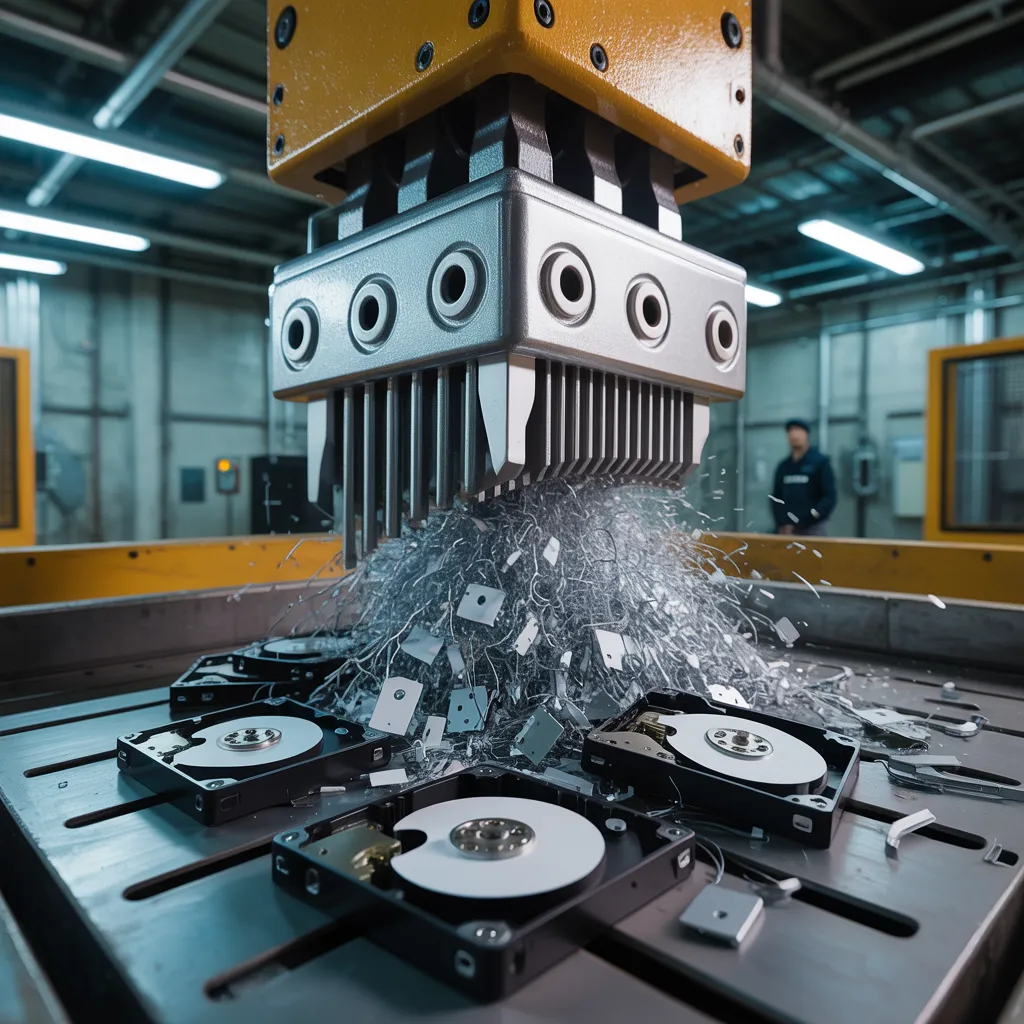
Subsequently, the sorted materials are treated through advanced techniques, such as mechanical shredding and chemical processing, to refine them for repurposing.
In the final step, the residual hazardous waste is handled with responsibility, adhering to eco-friendly standards. This multi-step approach not only conserves resources but also minimizes the hazards associated with irresponsible electronic waste disposal, guaranteeing a greener future for electronic device usage.
Benefits of E-Waste Recycling for You and Your Community
Though many people are unaware, the positive effects of e-waste recycling go far beyond individual benefit and actively shape entire communities. By properly recycling electronic waste, individuals play a role in creating a healthier environment, minimizing toxic components that can seep into soil and water. This proactive approach works to protect local ecosystems and supports public health.
Furthermore, the recycling of e-waste encourages the creation of jobs in communities. Regional recycling centers frequently need staff for a range of functions, including collection and processing, consequently creating meaningful employment within the community. This not only enhances the community economy but also promotes community participation in sustainable initiatives.
In addition, familiarity with e-waste recycling is capable of inspiring community outreach programs, empowering residents to pursue greener alternatives. By participating in e-waste recycling programs, individuals promote a culture of sustainability, encouraging others to embrace similar practices. All things considered, the collective impact of these actions can contribute to a more sustainable and conscientious community.
How to Select an E-Waste Recycling Service
Selecting the most suitable e-waste disposal service is vital for ensuring that e-waste is managed in a responsible and sustainable manner. Initially, individuals should verify the company's certifications, such as R2 and e-Stewards certifications, which indicate adherence to established benchmarks for responsible recycling methods. Additionally, it is advisable to assess the organization's standing by reading customer reviews and looking for recommendations from trusted sources.
Moreover, clarity in the recycling process is essential. A reliable company should offer detailed insights about the manner in which e-waste is managed and how the materials are utilized. Furthermore, assessing the variety of services available can be advantageous; various firms may supply retrieval services or extend benefits for recycling.
In addition, learning about area-specific requirements for e-waste disposal can help inform the evaluation process. By prioritizing these factors, consumers can play a role in efficient electronic waste handling while also advancing eco-friendly habits.
How You Can Get Involved in E-Waste Recycling?
Participating in e-waste recycling may begin at the local level, where community recycling hubs often provide essential services for responsible disposal. Furthermore, taking part in community awareness campaigns can strengthen efforts to inform others regarding the importance of proper e-waste handling. These actions not only advance environmental sustainability but also foster a collective sense of stewardship of the environment.
Community Recycling Locations
Several neighborhood recycling stations serve a vital function in recycling electronic waste, supplying communities with reliable ways to dispose of electronic waste responsibly. These stations receive a variety of electronic equipment, including outdated computers, mobile phones, and TVs, making certain that hazardous materials are managed safely. Most centers are equipped with knowledgeable personnel who support individuals in understanding proper disposal practices, underscoring the benefits of recycling compared to landfilling. In addition, various hubs coordinate drop-off events or designated collection days, making participation convenient for residents. By taking advantage of these neighborhood resources, community members advance a circular economy, reducing environmental impact and promoting sustainable practices. Working alongside these hubs enables communities to combat e-waste pollution successfully.
Public Awareness Initiatives
Nearby organizations, schools, and enterprises can work together to organize events that support e-waste collection drives. Community members can serve a critical function in raising awareness, sharing informational resources, and connecting with local residents. Through these collective efforts, local inhabitants gain greater awareness and encouragement to properly recycle their e-waste, thereby helping to build a greener and more sustainable tomorrow.
Frequently Asked Questions
What Kinds of Electronics Can Be Recycled?
A wide range of electronics can be recycled, including computers, smartphones, televisions, laptops, gaming consoles, and printers. In addition, ancillary devices such as keyboards, mice, and batteries are equally appropriate for recycling, supporting environmental conservation efforts.
Are There Fees Involved With E-Waste Recycling?
Yes, electronic waste recycling may involve costs, subject to the provider. Certain providers charge fees for pickup or handling, while others provide no-cost solutions, often subsidized by the sale of reclaimed components.
What Are the Benefits of E-Waste Recycling for Businesses?
Organizations can gain from e-waste recycling by minimizing disposal costs, enhancing their environmental image, adhering to regulatory requirements, reclaiming useful materials, and creating potential earnings via resale, ultimately contributing to a more sustainable operational strategy.
What Occurs with Data on Recycled Devices?
Details from refurbished equipment is commonly permanently erased or eliminated during the refurbishment process. This ensures private details stays protected, preventing unauthorized access while allowing materials to be repurposed securely and Complete guide sustainably in new products.
Is It Possible to Recycle Damaged Electronics?
Absolutely, defective electronics are able to be recycled. A wide range of facilities receive defective devices, ensuring responsible disposal and retrieval of valuable materials. It helps decrease the environmental footprint while fostering sustainable recycling habits to control electrical waste effectively.